Create an account for 10% off your first order
- 🔬 For Research Purposes Only
- Free Shipping on $250+
- 99%+ Purity Guaranteed
Home > All Products > BPC-157
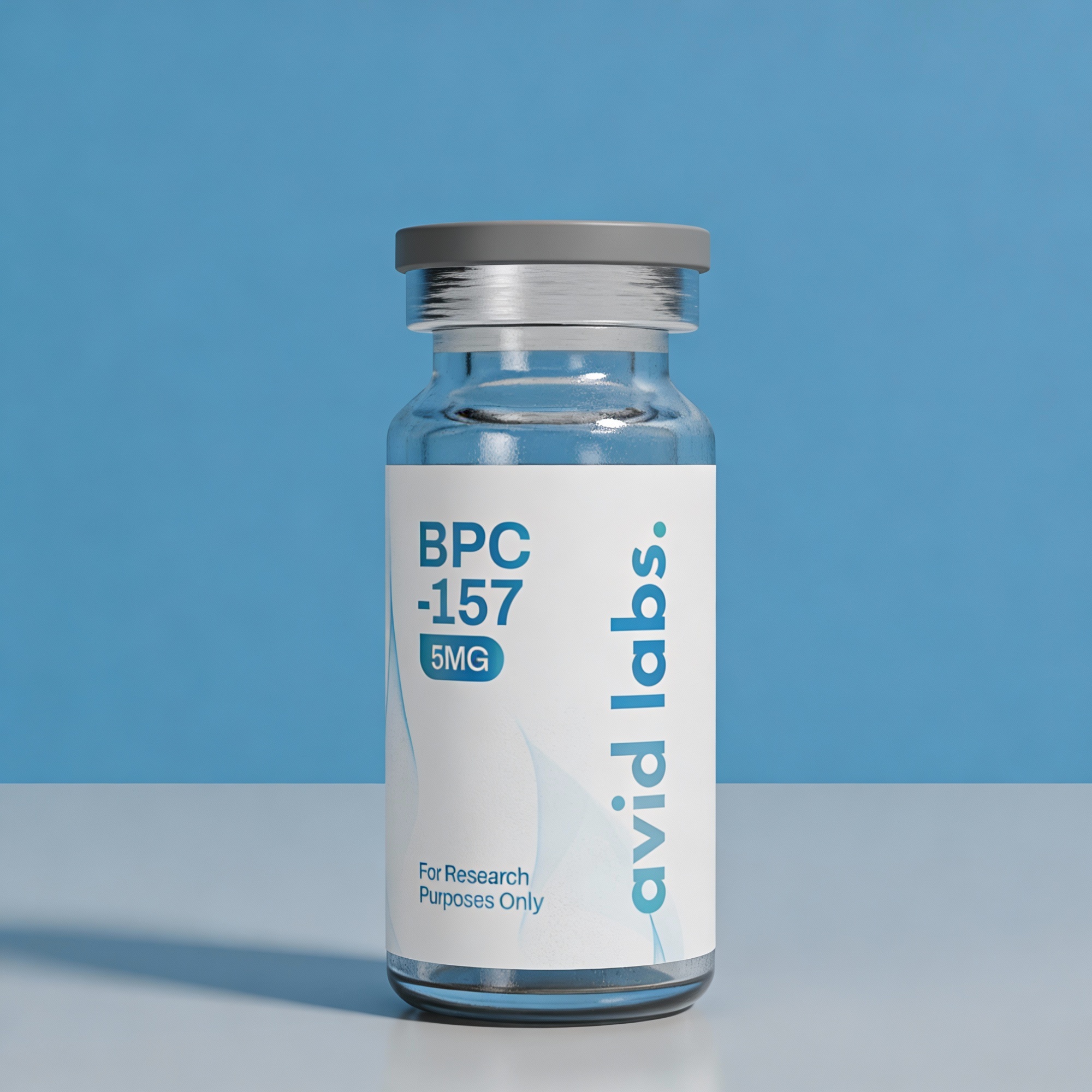
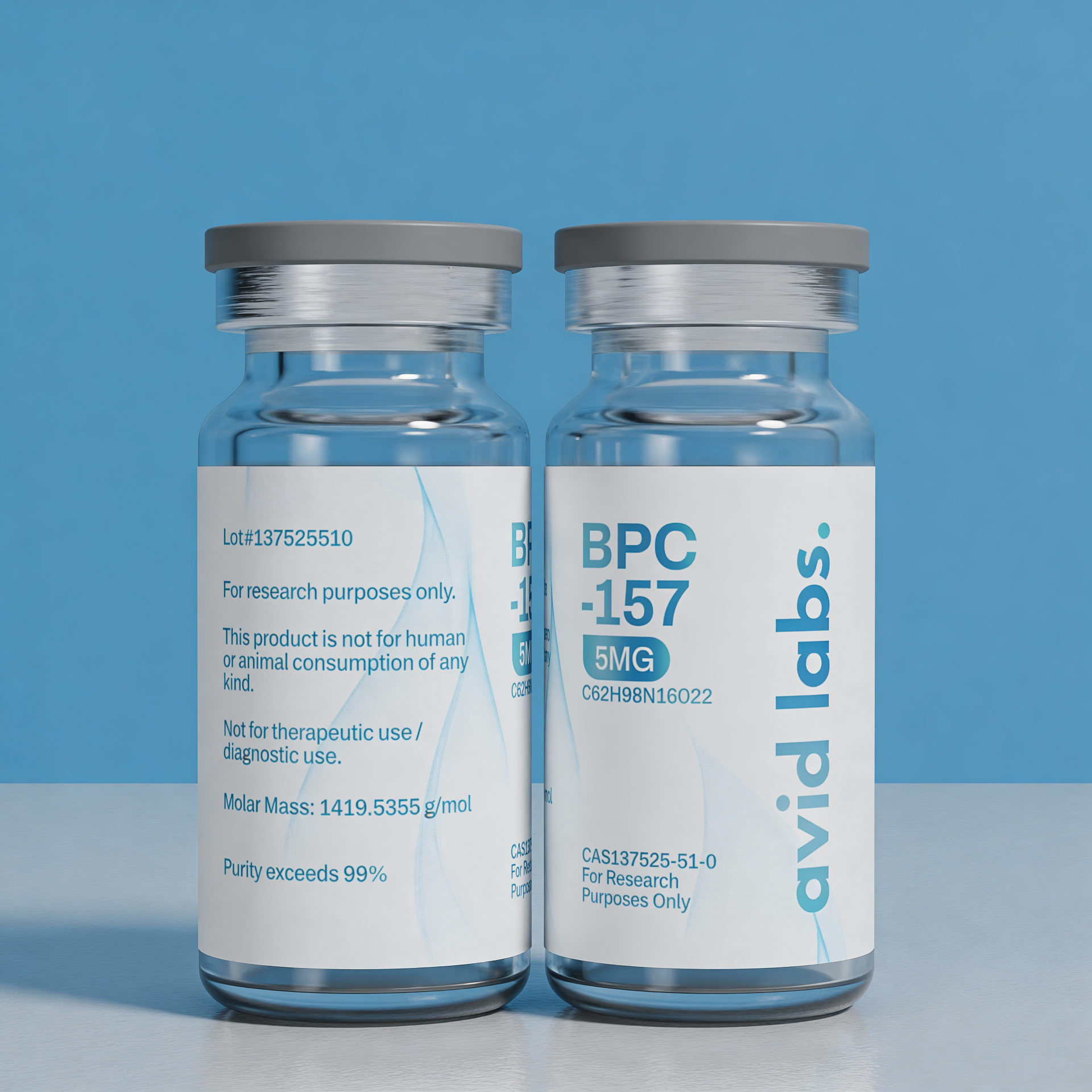
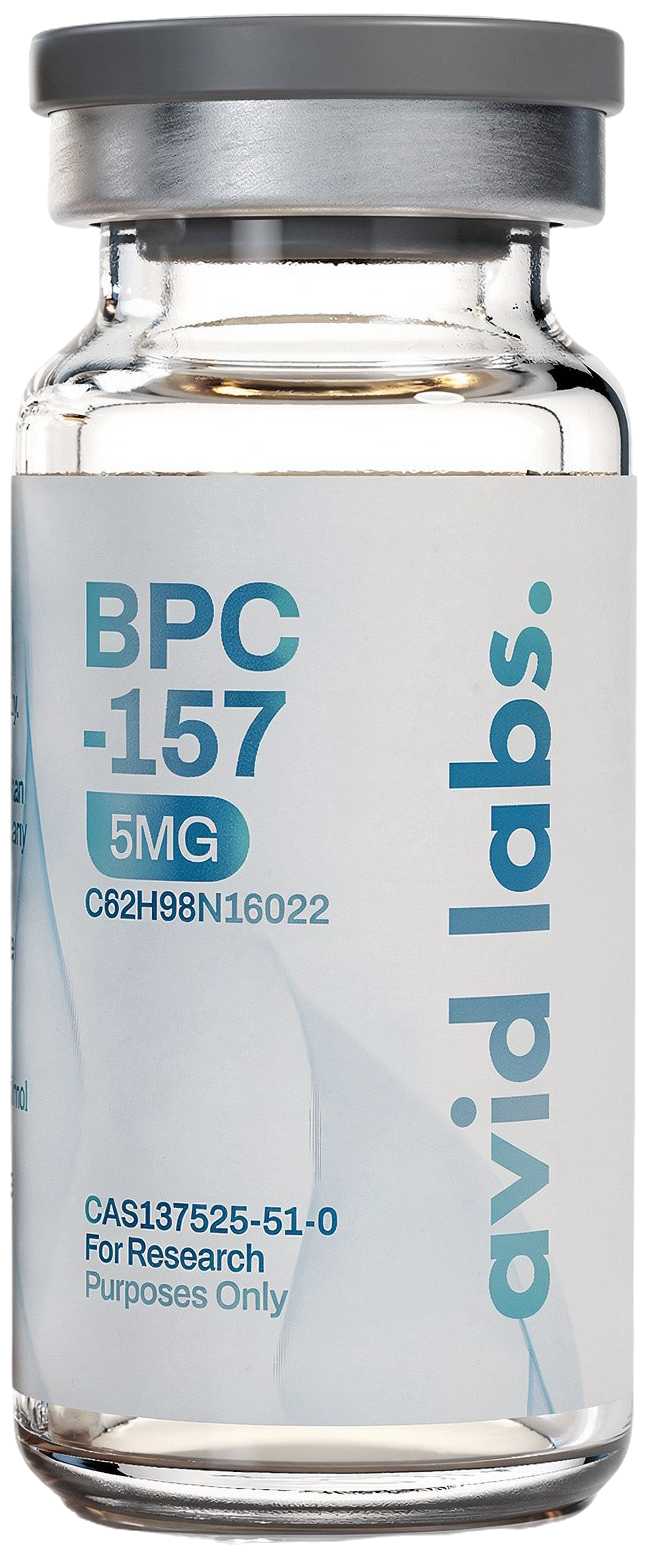
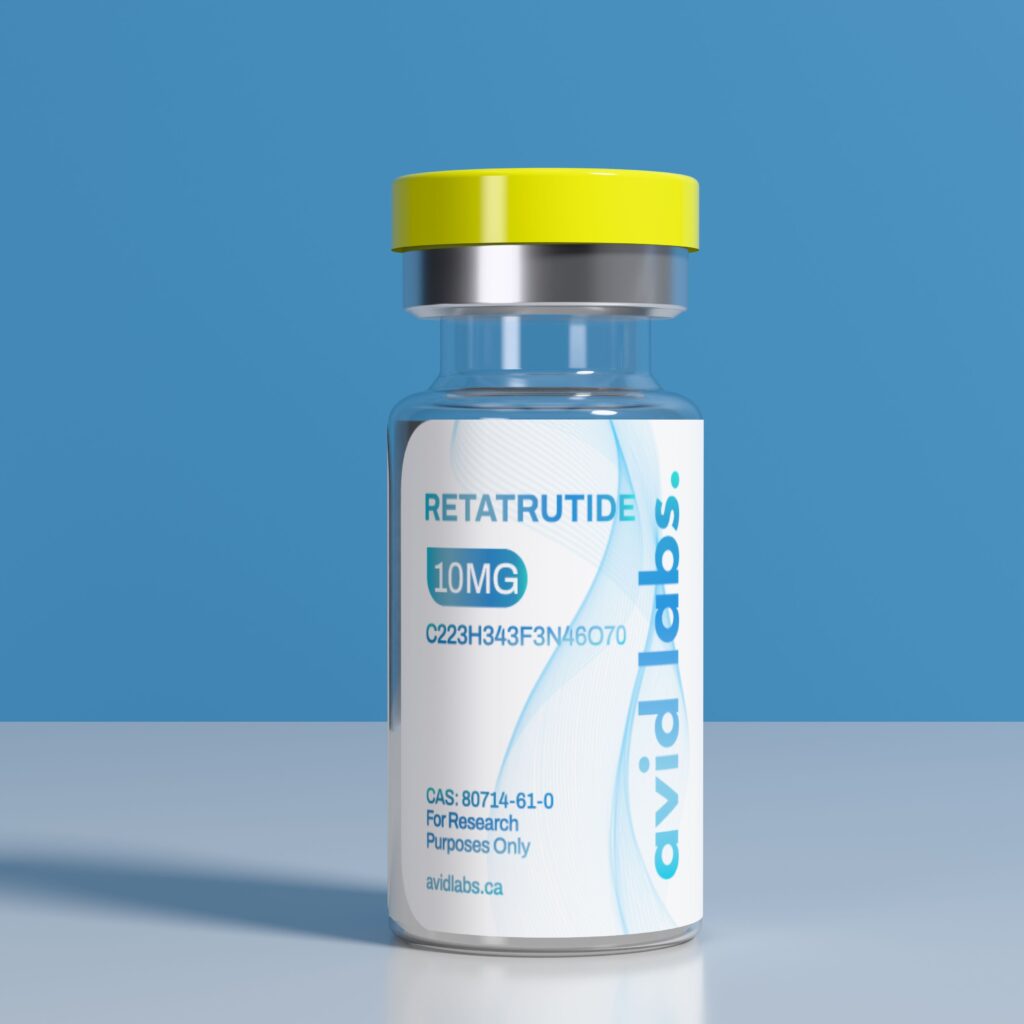
$20.99 – $35.96Price range: $20.99 through $35.96
Research Use Only: Products are intended solely for laboratory research and analytical purposes. Unless explicitly stated otherwise, they are not intended for use in diagnostic procedures, food, drugs, medical devices, cosmetics, or for human or animal consumption.
$20.99 – $35.96Price range: $20.99 through $35.96
Research Use Only: Products are intended solely for laboratory research and analytical purposes. Unless explicitly stated otherwise, they are not intended for use in diagnostic procedures, food, drugs, medical devices, cosmetics, or for human or animal consumption.
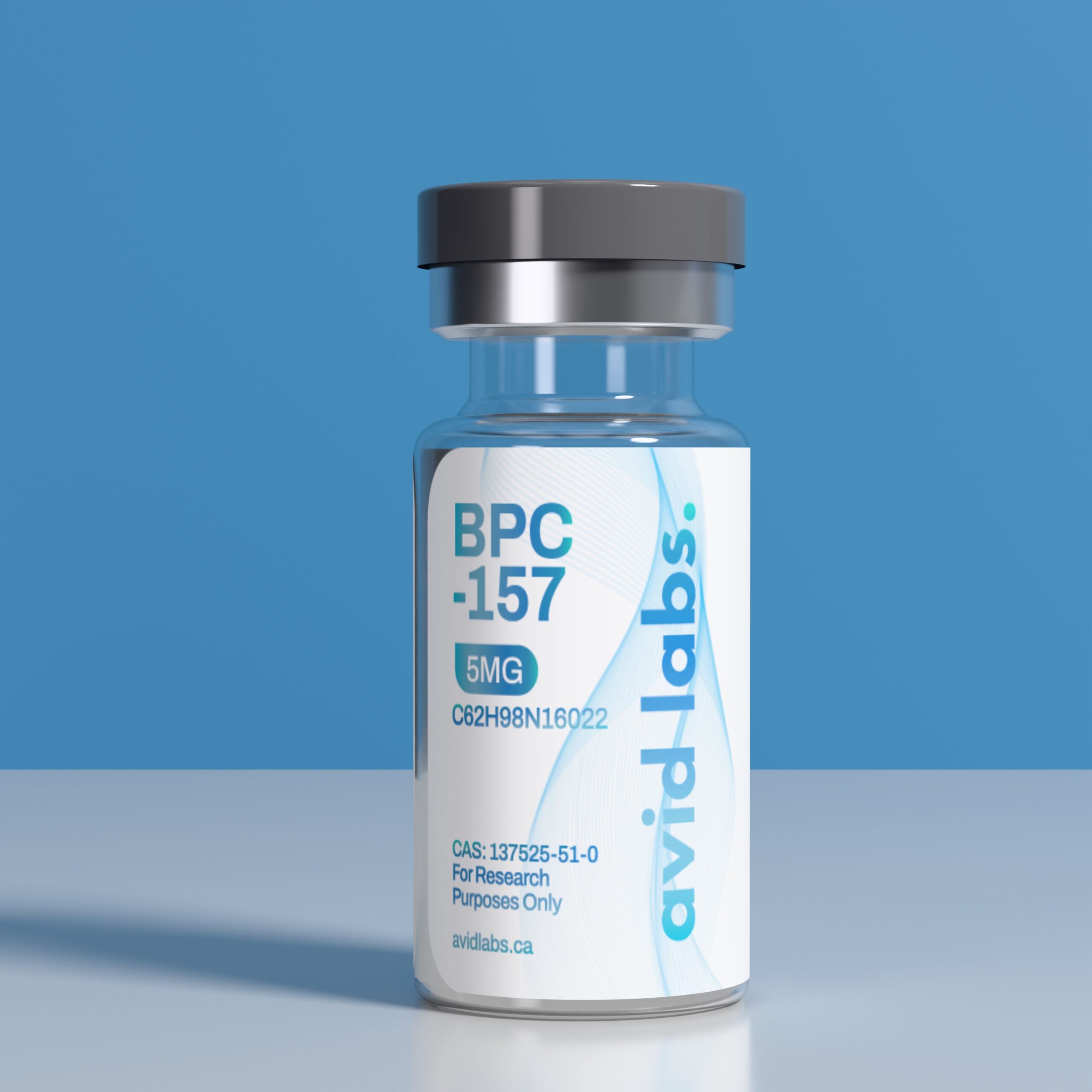
BPC-157 (Body Protective Compound-157) is a synthetic peptide derived from a naturally occurring protein fragment found in human gastric juice. It is widely studied in preclinical and laboratory research settings for its role in biological repair and recovery mechanisms. Current research explores BPC-157’s interaction with the body’s natural response systems, including pathways associated with tissue integrity, vascular response, and cellular signaling. Studies have examined its effects in models related to connective tissue, muscle structure, and gastrointestinal function.
BPC-157 has been the subject of numerous in vitro and in vivo studies investigating its potential mechanisms of action. Research has shown that this peptide may interact with the nitric oxide (NO) system, which plays a crucial role in vascular function and blood flow regulation.
Additional investigations have focused on BPC-157’s influence on inflammation-related pathways, local blood flow, and angiogenic signaling. These properties make it a compound of interest within experimental research involving injury response, recovery processes, and biological resilience.
Beyond structural and physiological research, BPC-157 is also being evaluated in early-stage studies for its potential involvement in neurological signaling pathways. Ongoing research continues to assess its broader biological activity and mechanisms of action.
The peptide has demonstrated stability in various experimental conditions, including exposure to gastric juice, making it unique among research peptides for gastrointestinal studies.
| CAS Number | 137525-51-0 |
|---|---|
| PubChem CID | 9,941,957 |
| Molecular Weight | 1,419.5 g/mol |
| Molecular Formula | C??H??N??O?? |
| Synonyms | BPC, Bepecin, CAS 137525-51-0 |
BPC-157 – 5mg
(Batch 137525510)
Avg. Purity: 99.438%
Avg. Mass: 3.73mg
Result Date: December 2, 2025
Date Added: December 2, 2025
View Lab Results